Woman Pregnant After Uterus Transplant
The first woman to receive a uterus from a dead donor is now pregnant, her doctors announced in Turkey.
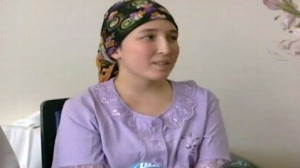
Doctors waited 18 months after Derya Sert’s uterus transplant in August 2011 before they implanted an embryo on April 1 using Sert’s own egg. Sert, a 22-year-old homemakers, is now about two weeks pregnant, her doctors at Akdeniz University Hospital in Antalya announced Friday.
“She is doing just fine at the moment,” Dr. Mustafa Unal said in a written statement to Agence France-Presse. The baby will be born through cesarean section, according to the news agency.
Sert was born without a uterus, but her ovaries were intact, according to a hospital press release. The condition affects one in 5,000 women, according to the hospital.
Dr. Jennifer Ashton, a senior medical contributor at ABC News, said doctors could detect the pregnancy early because they closely monitor the pregnancy hormone, human chorionic gonadotropin, or hCG, in in-vitro fertilization patients. When hCG rises to a certain level, it indicates pregnancy, she explained.
Although Sert’s ovaries provide hormones, she may need additional “hormonal support,” Ashton said, but it’s not exactly clear what Sert can expect in the coming months.
“Since there is scant medical literature on this, the risks for pregnancies is unknown,” she said.
Source: ABC News
http://abcnews.go.com/blogs/health/2013/04/15/woman-pregnant-after-uterus-transplant/
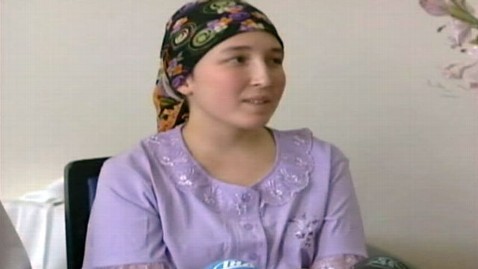
Doctors waited 18 months after Derya Sert’s uterus transplant in August 2011 before they implanted an embryo on April 1 using Sert’s own egg. Sert, a 22-year-old homemakers, is now about two weeks pregnant, her doctors at Akdeniz University Hospital in Antalya announced Friday.
“She is doing just fine at the moment,” Dr. Mustafa Unal said in a written statement to Agence France-Presse. The baby will be born through cesarean section, according to the news agency.
Sert was born without a uterus, but her ovaries were intact, according to a hospital press release. The condition affects one in 5,000 women, according to the hospital.
Dr. Jennifer Ashton, a senior medical contributor at ABC News, said doctors could detect the pregnancy early because they closely monitor the pregnancy hormone, human chorionic gonadotropin, or hCG, in in-vitro fertilization patients. When hCG rises to a certain level, it indicates pregnancy, she explained.
Although Sert’s ovaries provide hormones, she may need additional “hormonal support,” Ashton said, but it’s not exactly clear what Sert can expect in the coming months.
“Since there is scant medical literature on this, the risks for pregnancies is unknown,” she said.
Source: ABC News
http://abcnews.go.com/blogs/health/2013/04/15/woman-pregnant-after-uterus-transplant/
How Much Sleep Do We Need?
How Much Sleep Do You Need?
The amount of sleep one needs can vary for each person. There is a natural sleep-wake cycle that is recommended, by age, in order to ensure that you're getting enough sleep. The table below can help guide you on the amount of sleep that is recommended by age group:
As we progress through these life stages, we need less sleep at night to feel rested, but senior citizens generally need as much sleep as young adults. One conflicting study by the Brigham and Women's Hospital and Harvard Medical School suggests that senior citizens may need, on average, 1.5 hours less sleep than younger adults.
This is due, in part, to changing sleep patterns as we age. Older adults are more likely to take longer to fall asleep and are also more likely to wake up during the night, even if they have no history of sleep problems.
Those adults who continue to require 7-9 hours of sleep per night may still note changes in their sleep habits, such as growing tired earlier in the day or more rapid sleep cycles that require more time spent in bed to feel rested.
These changes should be no cause for alarm in older adults, as they do not indicate a sleep disorder and are a part of the aging process. However, doctors recommend napping during the day if you feel tired or your daily activities are affected. The best time of day to nap is after lunch in the early afternoon, around 2 or 3 p.m. Naps should be short - around 10 to 30 minutes - and you should give yourself plenty of time to become alert again before resuming normal activities.
Sources: Mayo Clinic, National Institutes of Health, National Sleep Foundation,Balanceittakesyou.com
The amount of sleep one needs can vary for each person. There is a natural sleep-wake cycle that is recommended, by age, in order to ensure that you're getting enough sleep. The table below can help guide you on the amount of sleep that is recommended by age group:
| Age | Sleep Requirements |
| Newborns (0-2 months) | 16-18 hours |
| Infants (3-11 months) | 14-15 hours |
| Toddlers (1-3 years) | 12-14 hours |
| Preschool-aged children (3-5 years) | 11-12 hours |
| School-aged children (5-10 years) | 10-11 hours |
| Teenagers (11-17) | 9-10 hours |
| Adults | 7-9 hours |
As we progress through these life stages, we need less sleep at night to feel rested, but senior citizens generally need as much sleep as young adults. One conflicting study by the Brigham and Women's Hospital and Harvard Medical School suggests that senior citizens may need, on average, 1.5 hours less sleep than younger adults.
This is due, in part, to changing sleep patterns as we age. Older adults are more likely to take longer to fall asleep and are also more likely to wake up during the night, even if they have no history of sleep problems.
Those adults who continue to require 7-9 hours of sleep per night may still note changes in their sleep habits, such as growing tired earlier in the day or more rapid sleep cycles that require more time spent in bed to feel rested.
These changes should be no cause for alarm in older adults, as they do not indicate a sleep disorder and are a part of the aging process. However, doctors recommend napping during the day if you feel tired or your daily activities are affected. The best time of day to nap is after lunch in the early afternoon, around 2 or 3 p.m. Naps should be short - around 10 to 30 minutes - and you should give yourself plenty of time to become alert again before resuming normal activities.
Sources: Mayo Clinic, National Institutes of Health, National Sleep Foundation,Balanceittakesyou.com
Compounding Pharmacists Await Changes After Fungal Meningitis Scandal

The International Academy of Compounding Pharmacists, or the IACP, includes more than 2,700 pharmacists, most of them in the United States, and Miller said many shouldn't need to adhere to the same standards as drug manufactures because they are so small. The compounding pharmacists have answered primarily to state pharmacy boards -- rather than the U.S. Food and Drug Administration -- for decades. As such, FDA inspections have been met with unease and confusion.
"One thing we know is that FDA's inspectors are not often familiar with pharmacy law," Miller said. "The pharmacy could be legally compliant, following all the laws of the state. They're not NECC in any way, and they could actually be found out of compliance by the FDA because agencies inspect using manufacturing standards."
FDA spokeswoman Sarah Clark-Lynn said the FDA has been coordinating with state officials to conduct 30 risk-based inspections at compounding pharmacies known to mix large quantities of sterile drugs. It is also conducting inspections following complaints about "serious adverse events," or when states have requested assistance.
So far, 14 inspections have yielded deficiency findings, which the FDA has published online. Although inspectors haven't found "greenish black foreign matter," as they found at NECC, the New England Compounding Pharmacy, in October, they posted findings, including how pharmacies had been deficient in practices to maintain sterility, which included keeping skin covered and maintaining proper air flow.
RELATED: NECC Blames Cleaners
"The FDA's authority over compounding companies is limited but not nonexistent," Clark-Lynn said. "While the current FDA oversight over compounding pharmacies is limited, the agency continues to use its existing authorities to protect consumers."
But how limited is it?
Bernardi, who has not been visited by the FDA, said he wondered whether compounding pharmacists could refuse an FDA inspection if a state inspector wasn't present.
The International Academy of Compounding Pharmacists, or the IACP, includes more than 2,700 pharmacists, most of them in the United States, and Miller said many shouldn't need to adhere to the same standards as drug manufactures because they are so small. The compounding pharmacists have answered primarily to state pharmacy boards -- rather than the U.S. Food and Drug Administration -- for decades. As such, FDA inspections have been met with unease and confusion.
"One thing we know is that FDA's inspectors are not often familiar with pharmacy law," Miller said. "The pharmacy could be legally compliant, following all the laws of the state. They're not NECC in any way, and they could actually be found out of compliance by the FDA because agencies inspect using manufacturing standards."
FDA spokeswoman Sarah Clark-Lynn said the FDA has been coordinating with state officials to conduct 30 risk-based inspections at compounding pharmacies known to mix large quantities of sterile drugs. It is also conducting inspections following complaints about "serious adverse events," or when states have requested assistance.
So far, 14 inspections have yielded deficiency findings, which the FDA has published online. Although inspectors haven't found "greenish black foreign matter," as they found at NECC, the New England Compounding Pharmacy, in October, they posted findings, including how pharmacies had been deficient in practices to maintain sterility, which included keeping skin covered and maintaining proper air flow.
RELATED: NECC Blames Cleaners
"The FDA's authority over compounding companies is limited but not nonexistent," Clark-Lynn said. "While the current FDA oversight over compounding pharmacies is limited, the agency continues to use its existing authorities to protect consumers."
But how limited is it?
Bernardi, who has not been visited by the FDA, said he wondered whether compounding pharmacists could refuse an FDA inspection if a state inspector wasn't present.
Although FDA officials normally work with state pharmacy boards, FDApolicy states that it should "seriously consider" independent "enforcement action" against compounding pharmacists in certain scenarios, such as when they are compounding large amounts of drugs without a prescription, compounding drugs for third parties for resale or compounding drugs that are copies of existing FDA-approved drugs typically made by drug manufacturers.
However, a 2011 federal court ruling in Texas "prohibited" the FDA from inspecting compounding pharmacies beyond the U.S. Food, Drug, and Cosmetic Act, which specifies that FDA inspectors cannot demand research, financial or sales data from pharmacists who are in compliance with state law unless those pharmacists are manufacturing a new drug.
The 2011 ruling trumped a 2008 ruling that determined the FDA actually did have additional authority over compounding pharmacists because all compounded drugs are new drugs. As such, the 2011 ruling was considered a win for compounding companies and a loss for the FDA.
And those are just the two most recent battles regarding how much authority the FDA has over compounding pharmacists. There are several others.
Chuck Leiter, the third generation president of Leiter's Compounding Pharmacy in San Jose, Calif., said more FDA regulation would be a good thing, and he'd like to see one clear law across the board.
"I think you need one law across the country," Leiter said. "While people are arguing jurisdictions, people are dying."
Clark-Lynn said Congress would have to pass new legislation to expand the FDA's power and allow it to oversee compounding pharmacists more efficiently.
"There should be appropriate federal standards for these products that are consistently enforced across all 50 states," Clark-Lynn said. "Until such legislation is enacted, the agency will continue to apply its existing legal authority to protect public health."
Since the revelations of NECC's business practices surfaced and continue to be exposed, notably in the March 10 episode of "60 Minutes," Leiter said compounding pharmacies and clients who were acting wrongly began to right themselves, but the industry still wasn't guilt-free.
RELATED: Compounding Pharmacists Defend Their Trade After Meningitis Outbreak
Leiter said that despite continued pressure from clinics or doctors' offices, he still refused to fill prescriptions for patients with fake names. He said, in his experience, fake names had become an industry practice as large-scale compounding pharmacies, such NECC, began acting more like drug manufacturers.
"It's changing, but some people are still trying to mess with the system," Leiter said.
Though Bernardi said he had not received requests for prescriptions for patients with fake names, he said he began receiving calls for bulk compounded drug orders once NECC and its sister company, Ameridose, closed. In Massachusetts, compounding drugs for "office use," meaning they aren't made specifically for one patient with a prescription, is not allowed.
"The answer is, 'We need a prescription for a patient,'" Bernardi said."That's usually where the conversation ends."
Both Leiter's and Bernardi's pharmacies are accredited by the Pharmacy Compounding Accreditation Board, or PCAB, which is considered the gold standard of compounding pharmacy safety and efficiency.
"I like to sleep at night," Leiter said. He intends for his daughter to follow in his footsteps and take over the family business, but she has to pass freshman chemistry first.
Since last fall, PCAB has received an increase of "300 or 400 times" its usual number of applicants, said Joe Cabaleiro, the board's executive director, and he takes that as an encouraging sign.
"I see a lot of our colleagues have also taken a second really hard look at their operations," Cabaleiro said, "and asked 'how can we improve as far as what we learned here.'"
Source: ABC News by Sydney Lumpkin
Breast Cancer Treatment Takes Toll on Heart
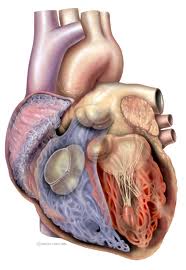
Radiation therapy has value in breast cancer, but the benefit comes at the price of an increased risk of ischemic heart disease later, researchers reported.
In a population-based case control study, the risk of major coronary events rose after radiation therapy by a mean of 7.4% for every gray (Gy) of exposure to the heart, with no apparent threshold, according to Sarah Darby, PhD, of the Clinical Trial Service Unit in Oxford, England, and colleagues.
The increase in risk was greatest in the first 5 years after radiotherapy but persisted for at least 2 decades, Darby and colleagues reported in the March 14 issue of the New England Journal of Medicine.
In addition, women with preexisting cardiac risk factors had greater absolute increases in risk, the researchers reported.
"Clinicians may wish to consider cardiac dose and cardiac risk factors as well as tumor control when making decisions about the use of radiotherapy for breast cancer," Darby and colleagues concluded.
The study – among 2,168 breast cancer survivors in Sweden and Denmark -- is a wake-up call for physicians, commented Jean-Bernard Durand, MD, of the MD Anderson Cancer Center in Houston.
"We have to be extra vigilant with women, making sure we assess them. We make sure they're on correct medicines and we make sure they gain all of the benefits from surviving breast cancer," he told MedPage Today.
Durand noted that in the U.S., women are much less likely than men to receive preventive cardiovascular care; changing that would help to mitigate the risk highlighted by Darby and colleagues.
"Follow their cholesterol, watch for diabetes, manage their blood pressure – all those things can be done to lower their risk of a cardiovascular event," he said.
The study also highlights the importance of good post-cancer follow-up, he said.
Doctors "have an opportunity to intervene in a young woman and really change the course of her life rather than wait for an event and try to change the course of her life when she's older," Durand said.
Radiotherapy for early-stage breast cancer has been shown to reduce both recurrence and death, the researchers noted, but the effect of incidental exposure to the heart has not been clear.

They looked at women with breast cancer who had radiotherapy between 1958 and 2001, including 963 women with major coronary events and 1,205 controls.
Case patients had no recurrence of the breast cancer or incidence of any other cancer before they suffered a major coronary event, defined as myocardial infarction, coronary revascularization, or death from ischemic heart disease.
Controls were matched for country of residence, age at diagnosis, and year of diagnosis, and also had not had a recurrence of their breast cancer or any new malignancy.
Of the major coronary events among women in the study, 44% occurred less than 10 years after the breast cancer diagnosis, 33% occurred in the next decade, and the remaining 23% occurred still later.
The average dose to the heart was 6.6 Gy for women with left breast tumors, 2.9 Gy for those with cancer in the right breast, and 4.9 Gy overall.
While the rate of events rose by 7.4% per Gy of exposure, the rate varied with time -- 16.3% in the first 5 years after exposure, 15.5% in the second 5 years, 1.2% in the second decade, and 8.2% in later years.
The only tumor characteristic that significantly affected the risk was location, as women with left breast tumors were more significantly likely to be case patients (P<0.001).
The rate ratio for women who had a history of ischemic heart disease, compared with those who did not, was 6.67 (95% CI from 4.37 to 10.18). Rate ratios were also elevated for women with other circulatory diseases, diabetes, or chronic obstructive pulmonary disease, as well as smokers.
The researchers cautioned that few of the women in the study were under 40, so the results may not apply directly to that age group.
In an accompanying editorial in the journal, Javid Moslehi, MD, of Brigham and Women's Hospital in Boston commented that the findings may be the "tip of the iceberg."
"In addition to ischemic cardiac disease," he wrote, "radiation therapy has been associated with other cardiac conditions, including pericardial disease, peripheral vascular disease, cardiomyopathy, valvular dysfunction, and arrhythmias.
Those diseases were not part of the study, nor were those associated with some forms of chemotherapy, he noted.
One implication for practice, he argued, is that the time to look at cardiovascular issues is at the time of breast cancer diagnosis and before treatment starts.
Source: written by Michael Smith, North American Correspondent, MedPage Today
In a population-based case control study, the risk of major coronary events rose after radiation therapy by a mean of 7.4% for every gray (Gy) of exposure to the heart, with no apparent threshold, according to Sarah Darby, PhD, of the Clinical Trial Service Unit in Oxford, England, and colleagues.
The increase in risk was greatest in the first 5 years after radiotherapy but persisted for at least 2 decades, Darby and colleagues reported in the March 14 issue of the New England Journal of Medicine.
In addition, women with preexisting cardiac risk factors had greater absolute increases in risk, the researchers reported.
"Clinicians may wish to consider cardiac dose and cardiac risk factors as well as tumor control when making decisions about the use of radiotherapy for breast cancer," Darby and colleagues concluded.
The study – among 2,168 breast cancer survivors in Sweden and Denmark -- is a wake-up call for physicians, commented Jean-Bernard Durand, MD, of the MD Anderson Cancer Center in Houston.
"We have to be extra vigilant with women, making sure we assess them. We make sure they're on correct medicines and we make sure they gain all of the benefits from surviving breast cancer," he told MedPage Today.
Durand noted that in the U.S., women are much less likely than men to receive preventive cardiovascular care; changing that would help to mitigate the risk highlighted by Darby and colleagues.
"Follow their cholesterol, watch for diabetes, manage their blood pressure – all those things can be done to lower their risk of a cardiovascular event," he said.
The study also highlights the importance of good post-cancer follow-up, he said.
Doctors "have an opportunity to intervene in a young woman and really change the course of her life rather than wait for an event and try to change the course of her life when she's older," Durand said.
Radiotherapy for early-stage breast cancer has been shown to reduce both recurrence and death, the researchers noted, but the effect of incidental exposure to the heart has not been clear.

They looked at women with breast cancer who had radiotherapy between 1958 and 2001, including 963 women with major coronary events and 1,205 controls.
Case patients had no recurrence of the breast cancer or incidence of any other cancer before they suffered a major coronary event, defined as myocardial infarction, coronary revascularization, or death from ischemic heart disease.
Controls were matched for country of residence, age at diagnosis, and year of diagnosis, and also had not had a recurrence of their breast cancer or any new malignancy.
Of the major coronary events among women in the study, 44% occurred less than 10 years after the breast cancer diagnosis, 33% occurred in the next decade, and the remaining 23% occurred still later.
The average dose to the heart was 6.6 Gy for women with left breast tumors, 2.9 Gy for those with cancer in the right breast, and 4.9 Gy overall.
While the rate of events rose by 7.4% per Gy of exposure, the rate varied with time -- 16.3% in the first 5 years after exposure, 15.5% in the second 5 years, 1.2% in the second decade, and 8.2% in later years.
The only tumor characteristic that significantly affected the risk was location, as women with left breast tumors were more significantly likely to be case patients (P<0.001).
The rate ratio for women who had a history of ischemic heart disease, compared with those who did not, was 6.67 (95% CI from 4.37 to 10.18). Rate ratios were also elevated for women with other circulatory diseases, diabetes, or chronic obstructive pulmonary disease, as well as smokers.
The researchers cautioned that few of the women in the study were under 40, so the results may not apply directly to that age group.
In an accompanying editorial in the journal, Javid Moslehi, MD, of Brigham and Women's Hospital in Boston commented that the findings may be the "tip of the iceberg."
"In addition to ischemic cardiac disease," he wrote, "radiation therapy has been associated with other cardiac conditions, including pericardial disease, peripheral vascular disease, cardiomyopathy, valvular dysfunction, and arrhythmias.
Those diseases were not part of the study, nor were those associated with some forms of chemotherapy, he noted.
One implication for practice, he argued, is that the time to look at cardiovascular issues is at the time of breast cancer diagnosis and before treatment starts.
Source: written by Michael Smith, North American Correspondent, MedPage Today
Published: March/2013
Reviewed by Robert Jasmer, MD; Associate Clinical Professor of Medicine, University of California, San Francisco and Dorothy Caputo, MA, BSN, RN, Nurse Planner
Interview with Dr. Jean-Bernard Durand of the MD Anderson Cancer Center in Houston.
Hair Removal Tips | Don’t try yourself!
Houston Hair Removal Tips: DON'T TRY THIS YOURSELF!!
Did you know that you can visit one of our six clinic locations in Houston for SPA TREATMENTS? Our Houston medical clinics are professionally staffed with people that can help you with your hair removal needs. We have a patented laser hair removal process that is close to painless when professionally done.
Wouldn't you feel better about an hair removal appointment or really any medical spa treatments at a legitimate medical facility rather than one of these street corner, nail places breeding fungi of all types? We thought so.
Call today and book an appointment for our laser hair removal treatment. During your visit, take a glance at our complete list of medical spa treatments and schedule accordingly. We are here for YOU!
Did you know that you can visit one of our six clinic locations in Houston for SPA TREATMENTS? Our Houston medical clinics are professionally staffed with people that can help you with your hair removal needs. We have a patented laser hair removal process that is close to painless when professionally done.
Wouldn't you feel better about an hair removal appointment or really any medical spa treatments at a legitimate medical facility rather than one of these street corner, nail places breeding fungi of all types? We thought so.
Call today and book an appointment for our laser hair removal treatment. During your visit, take a glance at our complete list of medical spa treatments and schedule accordingly. We are here for YOU!
Medical Facial Treatments | Houston
Have you considered a medical facial treatment from the Houston Medical Spa Treatments experts at Doctors Clinic of Houston? What is a medical facial? A medical spa facial treatment is obviously a facial, under the care of a REAL doctor. These facials are handled in a spa-like manner and can consist of exfoliating of the facial skin leaving the skin brighter and younger looking. Deep pore cleansing is necessary for healthy cell rejuvenation, and with a bit of retinol for tightening, you can walk out looking years younger as skin will be more hydrated and nourished looking for a healthier you!
Call Doctors Clinic of Houston today and schedule your medical spa facial - treatments for a healthier you! With 6 locations in the Greater Houston area, one is convenient to your home or work. Call today. You are worth it!
Call Doctors Clinic of Houston today and schedule your medical spa facial - treatments for a healthier you! With 6 locations in the Greater Houston area, one is convenient to your home or work. Call today. You are worth it!
Houston Back Pain Management
Do you suffer from chronic back pain? Have you ever gone jogging and taken a bad step then paid for it for the next week? Most people, at some point in their lives, "tweak" their back and just "wait it out." Doctors Clinic in Houston has specialists that deal specifically with back pain as well as pain management in general.
Instead of letting back pain, or any other type of pain for that matter, continue for days if not weeks, pick up the phone and call Doctors clinic today. Our pain management specialists can help develop a plan, whether it be medicinal or some type of physical therapy driven plan, and you could be on to a pain free day.
With six locations conveniently located throughout the Greater Houston area (West Memorial, North Freeway, Northwest Freeway, East Freeway, Southwest Freeway), simply choose one and let us help you rid your body of unnecessary pain. Call and schedule today!
Instead of letting back pain, or any other type of pain for that matter, continue for days if not weeks, pick up the phone and call Doctors clinic today. Our pain management specialists can help develop a plan, whether it be medicinal or some type of physical therapy driven plan, and you could be on to a pain free day.
With six locations conveniently located throughout the Greater Houston area (West Memorial, North Freeway, Northwest Freeway, East Freeway, Southwest Freeway), simply choose one and let us help you rid your body of unnecessary pain. Call and schedule today!
This will make it all better
It's been awhile since we last talked so I am going to bring you up to date on what's new at Doctors Clinic Houston. For those of you that are feeling dizzy and woozy (not silly) Doctors Clinic Houston has a specialist in to treat Vertigo. and for those of us that are suffering with stress, pain in your arms or legs, high blood pressure, shortness of breath, chest pain, fatigue, high cholesterol, asthma; if you are a smoker or ex-smoker, or noticing swelling in the lower extremities, we are offering Cardio-Pulmonary Test. So come on in or call for direction 713.981.8184.
Well, just maybe it’s not what you’re eating
...and see how jealous your friends will become when you lose the weight.
Where to Take the Kids on Spring Break?
Moms and dads did you get an instant headache when the kids informed you that it's SPRING BREAK, then asked "where are we going for spring break?" well I have a few suggestions for you... #1. Buy lots of milk and cereal because as you know they are always hungry. #2. Then take your teenagers to a Doctors Clinics Houston facility for a Houston Acne Treatment to treat those pimples; or if you have some special concerns take those concerns and your teenager to a Doctors Clinic Houston Drug Screening, you will sleep better once your kid is clean. After all the healthcare concerns are taken care of, call a taxi and take yourself to one of our Houston Medical Spa Treatments for the very special Houston Medical Facial Treatments. This is Lenny wishing you a safe and HEALTHY Spring Break!
Customer Service
Most of us don't think customer service when taking care of patients; it just comes naturally to the staff of Doctor Clinic Houston Northwest. We can take care of most healthcare concerns, whether you are seaching for a Houston Diabetes Doctor; Houston Family Doctor; or Houston Emergency, you are first with Doctors Clinic Houston
What does Immigration Physicals include at DCH?
At Doctors Clinic Houston complete Houston Immigration Physicals are provided by a qualified medical physician.
Tuberculin (TB) skin test are required if patient is two years of age or older.
Serologic (blood) test for HIV and for syphilis are administered to patients that are 15 years of age and older. Patients under the age of age 15 can be tested for HIV or syphilis if there is reason to suspect the possibility of infection.
Vaccinations: Depending on your age, medical history and current medical condition our physician will determine which of the listed vaccinations are medically appropriate for you:
• Hepatitis A
• Hepatitis B
• Influenza
• Influenza type b (Hib)
• Measles
• Meningococcal
• Mumps
• Pneumococcal
• Pertussis
• Polio
• Rotavirus
• Rubella
• Tetanus and diphtheria toxoids
• Varicella
Tuberculin (TB) skin test are required if patient is two years of age or older.
Serologic (blood) test for HIV and for syphilis are administered to patients that are 15 years of age and older. Patients under the age of age 15 can be tested for HIV or syphilis if there is reason to suspect the possibility of infection.
Vaccinations: Depending on your age, medical history and current medical condition our physician will determine which of the listed vaccinations are medically appropriate for you:
• Hepatitis A
• Hepatitis B
• Influenza
• Influenza type b (Hib)
• Measles
• Meningococcal
• Mumps
• Pneumococcal
• Pertussis
• Polio
• Rotavirus
• Rubella
• Tetanus and diphtheria toxoids
• Varicella
Occupational Care
Sometimes accidents occur on the job and you might wonder if you should see a doctor just to make sure you are ok. But you dont want to go sit in the emergency room and wait hours to be told to wait even longer, especially if its a minor injury. At Doctors Clinic Houston you do not have to worry about those long waits and department transfers. Our doctors are ready and equiped to take care of your minor injury, referrals and proper prescription care. Each of our six locations have excellent full time Chiropractors on staff and provide in house X-Ray services for our patients. Come to Doctors Clinic Houston and let us take care of you.
Houston Family Doctors
Dr. Lisa Kelly, M.D has join Dr. Anita Beneke, M.D. at the Southwest Freeway location (713) 981-8184 on Fridays 2 pm – 6 pm and Saturdays 9 am – 1 pm. Located at 6535 S.W. Freeway, Houston, TX 77074. Dr. Kelly specializes in Family Health so if you have a question regarding a health issue you should call Dr. Lisa Kelly or Dr. Beneke today.
Same day doctor’s visits are available at Doctors Clinics Houston
Last week we talked about Patient Education and Chronic Illness Management, I told you about by personal experiences as a patient with Doctors Clinic Houston relating to high blood pressure, diabetes and high cholesterol.
This week lets it’s all about you, as a Walk-in patient. Sometimes it is impossible to make and keep a doctor’s appointment; but you are always welcome to walk-in without an appointment at Doctors Clinic Houston. Same day doctor's visits are available at Doctors Clinics Houston
We will provide you with prompt care in handling minor emergencies, lacerations, injuries, wound care and infection.
Your schedule is busy so let us keep you healthy.
This week lets it’s all about you, as a Walk-in patient. Sometimes it is impossible to make and keep a doctor’s appointment; but you are always welcome to walk-in without an appointment at Doctors Clinic Houston. Same day doctor's visits are available at Doctors Clinics Houston
We will provide you with prompt care in handling minor emergencies, lacerations, injuries, wound care and infection.
Your schedule is busy so let us keep you healthy.
What are the Diabetes Symptoms and Diabetes Causes?
What are the Diabetes Symptoms and Diabetes Causes? As an employee of Doctors Clinics I have access to the best Houston medical clinic in the surrounding areas. Recently while working at the Southwest location I began to feel exhausted, bloated, thirty and weak; Dr. Anita Beneke, MD took one look at me and insisted that I have a Houston well woman exam and lab work. Well now we know that I have hypertension and diabetes type 2.
Dr. Beneke provided priceless information and education relating to the hows and whys of hypertension and Diabetes Care. If you want a Houston family doctor that cares about your health and the health of your family come to Doctor's Clinic Houston... we care.
Although we have six locations my personal physicians are located at Southwest Freeway (713) 981-8184 and Gulf Freeway (713) 643-0600
Dr. Beneke provided priceless information and education relating to the hows and whys of hypertension and Diabetes Care. If you want a Houston family doctor that cares about your health and the health of your family come to Doctor's Clinic Houston... we care.
Although we have six locations my personal physicians are located at Southwest Freeway (713) 981-8184 and Gulf Freeway (713) 643-0600
D.O.T.
If you need to re-new your D.O.T. Physical or take a D.O.T. drug screen or alcohol test, walk in to any of our six locations. We have certified collectors for all your drug screening and collection needs. We work with third party administrators from across the nation and we use certified laboratories. We have a registered Medical Review Officer on staff. Our staff is trained to handle paperwork and billing for TPA and in-house services. Please feel free to call 281-496-5311 ext.1235 for further information.