Gut bacteria may be key to fighting obesity

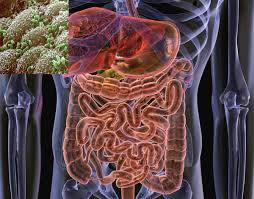
Different kinds of bacteria that live inside the gut can help spur obesity or protect against it, according to new research from scientists at Washington University in St. Louis.

They transplanted intestinal germs from fat or lean people into mice and watched the rodents change.

And what they ate determined whether the good germs could move in and do their job.
Unknown

Thursday’s report raises the possibility of one day turning gut bacteria into personalized fat-fighting therapies, and it may help explain why some people have a harder time losing weight than others do.

“It’s an important player,” said Dr. David Relman of Stanford University, who also studies how gut bacteria influence health but wasn’t involved in the new research. “This paper says that diet and microbes are necessary companions in all of this. They literally and figuratively feed each other.”

The research was reported in the journal Science.

We all develop with an essentially sterile digestive tract. Bacteria rapidly move in starting at birth — bugs that we pick up from mom and dad, the environment, first foods. Ultimately, the intestine teems with hundreds of species, populations that differ in people with varying health. Overweight people harbor different types and amounts of gut bacteria than lean people, for example. The gut bacteria we pick up as children can stick with us for decades, although their makeup changes when people lose weight, previous studies have shown.

Clearly, what you eat and how much you move are key to how much you weigh. But are those bacterial differences a contributing cause of obesity, rather than simply the result of it? If so, which bugs are to blame, and might it be possible to switch out the bad actors?

To start finding out, Washington University graduate student Vanessa Ridaura took gut bacteria from eight humans — four pairs of twins that each included one obese sibling and one lean sibling. One pair of twins was identical, ruling out an inherited explanation for their different weights. Using twins also guaranteed similar childhood environments and diets.

She transplanted the human microbes into the intestines of young mice that had been raised germ-free.

The mice who received gut bacteria from the obese people gained more weight — and experienced unhealthy metabolic changes — even though they didn’t eat more than the mice who received germs from the lean twins, said study senior author Dr. Jeffrey Gordon, director of Washington University’s Center of Genome Sciences and Systems Biology.

“This wasn’t attributable to differences in the amount of food they consumed, so there was something in the microbiota that was able to transmit this trait,” Gordon said in a statement. “Our question became: What were the components responsible?”

Then came what Gordon calls the “battle of the microbes.” Mice that harbored gut bacteria from a lean person were put in the same cages as mice that harbored the obesity-prone germs. The research team took advantage of an icky fact of rodent life: Mice are coprophagic — or eat feces — so presumably they could easily swap intestinal bugs.

What happened was a surprise. Certain bacteria from the lean mice invaded the intestines of the fatter mice, and their weight and metabolism improved. But the trade was one-way — the lean mice weren’t affected.

Moreover, the fatter mice got the bacterial benefit only when they were fed a low-fat, high-fiber diet. When Ridaura substituted the higher-fat, lower-fiber diet typical of Americans, the protective bug swap didn’t occur.

 

Unknown-1


Why? Gordon already knew from human studies that obese people harbor less diverse gut bacteria. “It was almost as if there were potential job vacancies” in their intestines that the lean don’t have, he explained.

Sure enough, a closer look at the mice that benefited from the bug swap suggests a specific type of bacteria, from a family named Bacteroidetes, moved into previously unoccupied niches in their colons — if the rodents ate right.

Robert W. Karp, a program director for genetics and genomics at the National Institute of Diabetes and Digestive and Kidney Diseases, told the New York Timesof the new study, “This is all weird and wonderful.”

How might those findings translate to people? For a particularly hard-to-treat diarrheal infection, doctors sometimes transplant stool from a healthy person into the sick person’s intestine. Some scientists wonder if fecal transplants from the lean to the fat might treat obesity, too.

But Gordon foresees a less invasive alternative: Determining the best combinations of intestinal bacteria to match a person’s diet, and then growing those bugs in sterile lab dishes – like this study could – and turning them into pills. He estimates such an attempt would take at least five more years of research.

“”In the future, the nutritional value and the effects of food will involve significant consideration of our microbiota–and developing healthy, nutritious foods will be done from the inside-out, not just the outside-in,” said Gordon.


2013 CBS Interactive Inc. All Rights Reserved. This material may not be published, broadcast, rewritten, or redistributed. The Associated Press contributed to this report.
Surgeon Accused of Faking Operations Surrenders Medical License

HT_spyros_panos_tk_130902_16x9_992


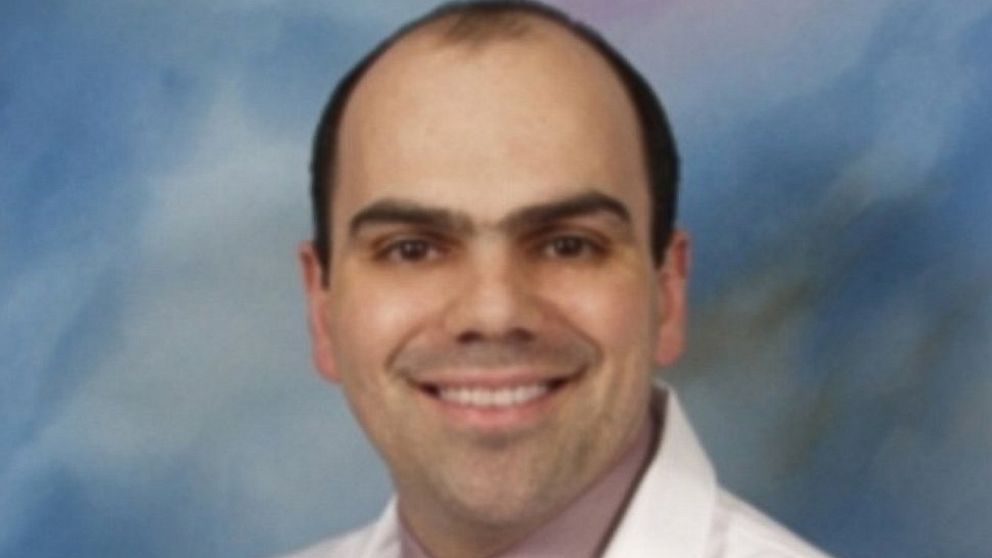
An orthopedic surgeon accused of faking operations surrendered his medical license voluntarily Monday and has admitted to guilt in some of the cases against him, according to New York State court documents.

Dr. Spyros Panos, who formerly worked for the Mid Hudson Medical Group in Poughkeepsie, N.Y., surrendered his license to practice medicine in New York this week following charges of medical misconduct. Panos faced at least 250 counts brought by the state Office of Professional Medical Conduct involving fraud and negligence between 2007 and 2011, the court order showed.

Doctor Accused of Faking Surgeries

Panos, 44, and his attorneys at Feldman, Kleidman & Coffey did not respond to ABC News’ requests for comment. Representatives for the Mid Hudson Medical Group also failed to return calls for comment.

Larry Hughes, a spokesman for Saint Francis Hospital in Poughkeepsie, where Panos performed many of the surgeries under investigation, said he was unaware of the surrender filing and couldn’t comment.

In his response to the license surrender order, Panos admitted that he failed to render appropriate care, didn’t maintain accurate medical records and submitted bills for seven former patients for which he was not entitled to payment. The identities of the patients were redacted from court documents to maintain their privacy.

The response also stated that Panos cannot “successfully defend against” at least one alleged act of misconduct “in full satisfaction of the charges” and that the surrender allows him to “resolve this matter without the various risks and burdens of a hearing on the merits.”

“It is a rare occurrence for the OPMC to put this type of pressure on a physician and for the physician to lose his license,” said J.T. Wisell, an attorney for 154 of the more than 250 plaintiffs who have filed lawsuits accusing Panos of performing botched or unnecessary surgeries, or pretending to perform surgeries that never actually took place.

The Federation of State Medical Boards, which represents 70 state medical boards, reported that of the three quarter of a million practicing physicians in the United States, only 1,905 of them lost their licenses to practice medicine in 2011. Of the more than 88,000 physicians who practiced in New York State that same year, just 185 — less than one percent — lost their licenses.

Fake Surgeries Are Rare but Hard to Spot

Panos was terminated from his employer, Mid Hudson Medical Group, in 2011 and is also the subject of a criminal investigation by the U.S. Attorney’s Office, although he has not been charged with a criminal offense, Wisell said.

His alleged victims say they are grateful that he’s out of business, at least in New York.

“I’m glad someone finally stopped him,” said Debra Cole, a retired telephone company technician who is suing Panos for allegedly performing two faked knee surgeries and causing her years of unnecessary pain. “To do everything he’s allegedly done and to be able to continue to operate on other people, it was just terrible.”

Debra Nenni McNamee, whose mother, Constance Nenni, died less than 24-hours after having an alleged “phantom” knee surgery performed by Panos said she hoped Panos’ license surrender would start a domino effect.

“Now maybe the other medical professionals and facilities involved who allowed him to do what he did will be held accountable or come forward to prove they are not guilty,” she said.

Arthur Caplin, the director of medical ethics at NYU Langone Medical Center and a former non-MD representative with the New York State medical licensing board, said he also found it troubling that others besides Panos aren’t under investigation.

“You can’t perform this many suspect surgeries without the cooperation of many other people,” he said.

Brian Brown, McNamee’s attorney, said Panos used patients like her mother as human cash registers, scheduling as many as 22 surgeries a day. The average orthopedic surgeon typically schedules no more than 32 procedures a month, according to American Academy of Orthopaedic Surgeons statistics.

Attorneys Brown and Wisell noted that clients with potential cases against Panos began flooding their offices with calls immediately after journalist Sarah Bradshaw wrote about the first few lawsuits for the Poughkeepsie Journal in September 2010. Bradshaw said she was tipped off to the litigation from an anonymous source.

Wisell said the latest developments should help the plaintiffs’ cases finally move forward after two years. But the lawsuits are by no means a slam dunk because there is still a legal stay in place that prevents plantiff’s attorneys from taking sworn statements from any employee and former employee of the Mid Hudson Medical Group or any hospital where Panos practiced, Wisell said.

The stay was put in place for Panos to avoid self incrimination in the federal cases of fraud and billing irregularities, Wisell said. Mid Hudson Medical Group and the various hospitals and surgical centers where Panos practiced have submitted billing records, surgical records and surgical schedule logs to plantiff’s lawyers but under the stay, are not yet required to directly respond to civil actions, Wisell said.

Brown agreed, stating, “While this demonstrates that Dr. Panos is finally willing to admit some guilt, it is clear from their legal strategy that his former medical-group, MHMG, the hospitals involved and their legal team are not. So they shamelessly continue to drag the victims through a tortured litigation process and avoid taking simple responsibility for their profit-driven failures.”

Wisell also noted that Panos still has a license to practice medicine in Virginia. While he is legally obligated to keep the Virginia state medical board up to date about the legal consequences in New York, Wisell said it could take some time before any action was taken and there is no federal mandate that stops Panos from practicing medicine in other states.

McNamee said taking away Panos’ license is a start, but it’s not enough.

“He wakes up every morning spending the illegal funds he collected while his victims wake up every day in pain,” McNamee said. “In my mother’s case, all we have are memories.”

Eleven States Get Failing Grades for Nursing Home Care

12 Aug 2013 General Health

More than one-and-a-half million Americans live in nursing homes, but the quality of care varies greatly. A report out Friday shows, for the first time, which states do a good job of caring for seniors and which fail to ensure that they won’t be neglected or abused.

Minnie Graham lived in a nursing home outside Dallas for about a year when her family noticed bruises on her, then two black eyes.
Minnie Graham lived in a nursing home outside Dallas for about a year when her family noticed bruises on her, then two black eyes./ CBS News

Minnie Graham was a great-grandmother. At 97, she suffered from dementia.

“She was a fine Christian woman,” her granddaughter, Shirley Ballard, says. “And very loving. She would do anything for anybody.”

Graham lived in a nursing home outside Dallas for about a year when her family noticed bruises on her, then two black eyes.”They said she fell out of her wheel chair,” Ballard says, adding she “absolutely” did not believe that had happened.

Graham’s family placed a clock, equipped with a hidden camera, in her bedroom, recording video for weeks. Graham resisted being changed; a nursing aide mocked her, pulled, pushed, then what sounds like a slap can be heard. The video also caught another aide shoving her.

“That should never happen to people, ever, in nursing homes, anywhere,” says Brian Lee, executive director of Families for Better Care.

His nonprofit elder advocacy group released what it says is the first comprehensive state-by-state reviewof nursing home care. It ranks and grades states based on 2012 federal data combining staffing, inspections, deficiencies and complaints.

Motion sensors in seniors’ homes may be tracked by loved ones, nurses
Renovating seniors’ homes may lead to longer independence

States that got As: Alaska, Rhode Island, New Hampshire, Hawaii, Oregon, Maine, Utah, Idaho, South Dakota and North Dakota.

States that got Fs: Texas, Louisiana, Indiana, Oklahoma, Missouri, New Mexico, New York, Michigan, Nevada, Illinois and Iowa.

In Oklahoma, a hidden video caught a nursing assistant shoving a glove in a 96-year-old woman’s mouth. In Ohio, which lacks staff, video caught a caregiver flinging a senior onto her bed.

Brian Lee, executive director of Families for Better Care
Brian Lee, executive director of Families for Better Care/ CBS News

“You’ve got to be able to have a good vetting process to be able to determine which people, the caregivers, are going to treat the residents with dignity and respect,” Lee says. “You’ve got to hire the right people. State officials need to hold nursing homes accountable. And nursing homes need to hold themselves accountable and step up and start providing better care.”

According to the report, just seven states provided nursing home residents with more than one hour of professional nursing care daily. States that did the best had larger and more experienced staff.

We tried to speak with Minnie Graham’s nursing aides about what the hidden camera recorded. They declined. Both were fired and arrested; their cases are still pending. Minnie Graham died within weeks of the video.

She just gave up on life,” Ballard says. “She didn’t want to live anymore, and then to be treated like that in her last days –.”

Advocates for the elderly say improvements must be made soon. The nursing home population is expected to increase 40 percent over the next decade.


(CBS News)

Salad Mix Linked to Virus Outbreak


Unknown-3


A salad mix linked to a severe stomach virus that sickened more than 200 people in Iowa and Nebraska has not been served at Olive Garden and Red Lobster restaurants there for about a month, a spokesman for the restaurants said on Saturday.


The Food and Drug Administration identified the salad, supplied by a Mexican farm, as responsible for the cyclospora outbreak in those two states. But the FDA said it is not yet clear if it was the culprit in 14 other states as well, and the investigation will continue.

Rich Jeffers, a spokesman for Orlando, Florida-based Darden Restaurants, which operates Olive Garden and Red Lobster, said


it has been more than a month since the last case was reported in Iowa and Nebraska. The shelf life of the salad is about two-weeks.

“We are fully confident along with health officials that in those states the product is out of the supply chain,” Jeffers said.


The cyclospora infections account for more than 400 cases of illness in 16 states, according to the Centers for Disease Control and Prevention. At least 22 people have been hospitalized.

The highest number of cases – 146 – were reported in Iowa, followed by Texas with 113, Nebraska with 81 and Florida with 25, according to the CDC. Other states have reported cases in the single digits.

Olive Garden and Red Lobster restaurants in Texas, the state with the second largest number of reported illnesses, are not supplied by Taylor Farms de Mexico, Jeffers said.

The majority of cases were reported between mid-June and early July, the CDC said.

“None of Taylor Farms’ other 11 facilities have been connected to these cases,” a statement on its Web site said.

The FDA also said its investigation has not found any problems with bagged salad mix found in grocery stores.

The states reporting cases of stomach illness are: Iowa, Nebraska, Texas, Wisconsin, Arkansas, Connecticut, Florida, Georgia, Illinois, Kansas, Louisiana, Minnesota, Missouri, New Jersey, New York, and Ohio.

Cyclosporiasis is most commonly found in tropical and subtropical regions of the world. Symptoms for the illness, caused by ingesting contaminated food or water containing a parasite too small to be detected without a microscope, include nausea, watery diarrhea and body aches.

Most people with healthy immune systems recover from the infection without treatment, but the elderly and those with weakened immune systems are believed to be at higher risk for prolonged illness.
Source: Fox News

Woman Disfigured by Generic Drug Loses $21 Million Award

HT_karen_bartlett_lpl_130638_25x14_384

Eight years after she was burned and blinded by a prescription drug, Karen Bartlett feels numb.

This week the Supreme Court ruled that Mutual Pharmaceutical Co., the maker of the drug Bartlett took for shoulder pain, should not be held responsible for her injuries because the company had copied the brand drug’s formula and warning label.

“I was numb,” Bartlett said of the moment her lawyer delivered the news. “I don’t even have words to describe it because I can’t believe that they would do that.”

In a five-four decision, the court ruled Monday that generic drug makers could not be sued by patients over defective drug design because they’re required by federal law to copy their brand-name counterparts. The ruling overturns the verdict from Bartlett’s 2010 New Hampshire Superior Court trial in which a jury awarded her $21 million in damages, as well as the decision by an appeals court to uphold the verdict.

“I can’t believe the Supreme Court can just say, ‘I’m sorry, you guys are wrong,'” said Bartlett, whose body is scarred from the fierce reaction to sulindac, a generic version of the nonsteroidal anti-inflammatory drug Clinoril. “It boggles my mind. I just don’t get it.”

Bartlett remembers little from the three months she spent at Massachusetts General Hospital in 2004, “wrapped up like a mummy” as the skin eroded two-thirds of her body. She was diagnosed with Stevens-Johnson syndrome, a rare and sometimes fatal reaction triggered by certain medications, including NSAIDS like Clinoril and sulindac.

The ordeal left her disfigured and legally blind. She also has lung damage and difficulty swallowing.

“I have no independence,” said Bartlett, 53, who lives off disability checks for a fraction of the salary she once earned as a secretary at an insurance company in Plaistow, N.H. “This ruined my life, basically.”‘

Motrin Lawsuit: Jury Awards Girl $10 Million for Burns and Blindness

In a lawsuit against Mutual Pharmaceutical Co., Bartlett’s lawyer argued that the company “failed to adequately warn users” about Stevens-Johnson syndrome, one of sulindac’s more serious, albeit very rare side effects. A jury in New Hampshire Superior Court agreed, awarding Bartlett the $21 million payout to cover medical and legal costs, and compensate her for “physical and mental pain and suffering” as well as “loss of enjoyment of life,” according to the complaint.

At the time of Bartlett’s reaction, sulindac’s label did not specifically warn about Stevens-Johnson Syndrome, the Supreme Court acknowledged, though it did warn that the drug could cause “severe skin reactions” and “fatalities.” But under federal law, generic drugs must be chemically identical to the FDA-approved brand-name drug and don the same warning label.

“Here, it is impossible for Mutual to comply with both its federal-law duty not to alter sulindac’s label or composition and its state-law duty to either strengthen the warnings on sulindac’s label or change sulindac’s design,” Supreme Court Justice Samuel Anthony Alito Jr. wrote in the majority opinion of the court.

In 2005, one year after Bartlett’s reaction, the Food and Drug Administration recommended changes to the labeling of all NSAIDs, including Clinoril and sulindac, to more explicitly warn about Stevens-Johnson syndrome.

Alito noted that Bartlett’s case “arises out of tragic circumstances” and “evokes deep sympathy.

“But sympathy for [Bartlett] does not relieve us of the responsibility of following the law,” he wrote.

Jay P. Lefkowitz, the lawyer who represented Mutual Pharmaceutical Co., said the ruling “vindicates the authority” of the FDA, the federal agency charged with assessing drug safety.

“The FDA has the scientific and medical expertise to make decisions about the safety and efficacy of drugs based on all of the data,” said Lefkowitz, whose office is based in New York City. “State court juries that are only looking at one example of a tragic side effect don’t have the ability to make an assessment about the safety and efficacy of a drug that millions of people use with good results.”

Lefkowitz said his “heart was filled with sympathy” for Bartlett.

“Every one of us takes prescription drugs. We give them to our kids, and this can happen to anyone,” he said. “But I think the court got it right, even though it’s obviously a tragic set of circumstances.”

Supreme Court Justice NSAIDS disagreed with the court’s decision, writing in her dissent that it “leaves consumers like Karen Bartlett to bear enormous losses on their own.”

Bartlett said, “I walk away with nothing except disability checks. They don’t seem to care that this has affected me for rest of life.”


ABC News Story: health

By 

FDA Changes for Sunscreen Labels


sun fda


The United States Food and Drug Administration has announced significant changes to sunscreen product labels that will help consumers decide how to buy and use sunscreen, and allow them to protect themselves and their families from sun-induced damage more effectively.

How sunscreen works. Most sun protection products work by absorbing, reflecting, or scattering sunlight. They contain chemicals that interact with the skin to protect it from UV rays. All products do not have the same ingredients; if your skin reacts badly to one product, try another one or call a doctor.


SPF. Sunscreens are assigned a sun protection factor (SPF) number that rates their effectiveness in blocking UV rays. Higher numbers indicate more protection. You should use a sunscreen with at least SPF 15.


Reapplication. Sunscreen wears off. Put it on again if you stay out in the sun for more than two hours, and after you swim or do things that make you sweat.


Expiration date. Check the sunscreen’s expiration date. Sunscreen without an expiration date has a shelf life of no more than three years, but its shelf life is shorter if it has been exposed to high temperatures.


Cosmetics. Some make-up and lip balms contain some of the same chemicals used in sunscreens. If they do not have at least SPF 15, don’t use them by themselves.


Avoid Indoor Tanning

Using a tanning bed, booth, or sunlamp to get tan is called “indoor tanning.” Indoor tanning has been linked with skin cancers including melanoma (the deadliest type of skin cancer), squamous cell carcinoma, and cancers of the eye (ocular melanoma).


new-sunscreen-labels-graphic

Source: CDC & FDA

FOUND GUILTY!


ap_dr_kermit_gosnell_jef_130318_wgPhiladelphia abortion doctor Kermit Gosnell was found guilty today of first degree murder in three of four infant deaths.

Gosnell was also convicted of involuntary manslaughter in the death of a female patient who was given a lethal dose of sedatives and pain killers in 2009, according to the Associated Press.

Gosnell, 72, could face the death penalty and jurors will begin hearing testimony on Tuesday to determine if they will condemn him to death row.

The verdict came hours after the jurors alerted the judge that they were deadlocked on two counts. The judge told the jurors to try again for a unanimous verdict. The decision came on the jury’s 10th day of deliberations.

It was not clear which of the more than 200 counts in the case, which include racketeering, had deadlocked the jury.

Gosnell was accused of performing late-term abortions on four babies who were born alive, but were then allegedly killed by Gosnell.


For two months, the jury heard often grisly testimony, including from members of Gosnell’s staff. Eight staffers have pleaded guilty to several crimes. Prosecutors said none of the staff were licensed nurses or doctors.

Gosnell ran the Women’s Medical Society in West Philadelphia for decades until February 2010, when FBI agents raided his clinic looking for evidence of prescription drug dealing.

Instead they found, as reported in a nearly 300-page grand jury report released in 2011, a filthy, decrepit “house of horrors.”

Blood was on the floor, the clinic reeked of urine and bags of fetal remains were stacked in freezers. The clinic was shut down and Gosnell’s medical license was suspended after the raid.

Despite repeated complaints to state officials over the years — as well as 46 lawsuits filed against Gosnell — investigators said in the report that state regulators had conducted five inspections since the clinic had opened in 1979.

Gosnell’s lawyer Jack McMahon maintains his client served his community and never killed a live, born baby.

The grand jury report, however, said there had been hundreds of “snippings,” in which live babies were born and then killed.

“Gosnell had a simple solution for the unwanted babies he delivered. … The way he ensured fetal demise was by sticking scissors into the back of the baby’s neck and cutting the spinal cord. He called that ‘snipping,'” the report alleged.

The report also said that many of the women patients were infected with sexually transmitted diseases from contaminated instruments, had suffered from botched procedures or had been given overdoses of dangerous drugs.


 Source: ABC News
http://abcnews.go.com/US/abortion-doctor-kermit-gosnell-guilty-degree-murder/story?id=19168967#.UZFDjJX3A6U

Breast-Feeding Could Lower Breast Cancer Rates

Breast-feeding isn’t only good for the developing infant: It helps mom out too.

A study published in Obstetrics & Gynecology on June 5 revealed that if people stuck with the recommended length of breast-feeding their newborn for at least one year, there would be 5,000 fewer cases of breast cancer, 54,000 fewer cases of hypertension and almost 14,000 less heart attacks in women each year. The researchers say low breast-feeding rates are racking up billions of dollars in health care costs each year.

“We know that 60 percent of women don’t even meet their personal breast-feeding goals, whether it’s three or four or six months,” author Dr. Melissa Bartick, assistant professor of medicine, said to TIME. “We need to do more to support women so they can breast-feed longer. There are thousands of needless cases of disease and death that could be prevented.”

The American Academy of Pediatrics recommends that babies are breast-fed exclusively for the first six months of life, and then have breast-milk supplementally given to them until they at least a year. Breast-feeding can continue as long as the mother, baby and physician feel it is appropriate. Solid food should only be introduced starting at six months of age, but the Centers for Disease Control and Prevention recently discovered that 40 percent of parents are giving their children solid food by the time they reach 4 months.

The World Health Organization recommends even longer breast-feeding, with complementary foods through a child is 2-years-old and beyond.

Though rates have increased in the U.S., only 45 percent of mothers are still breast-feeding at some level by six months, and only 23 percent continue on for one year.

It is recommended that women breast-feed because it provides protection for the babies, from the early “liquid gold” colostrums full of nutrients and antibodies produced at the end of pregnancy to the mature milk that has the right amount of fat, sugar, water and protein to nourish a healthy child. Breast milk is easier to digest, and the hormones and antibodies inside may help ward off diseases for the child.

Children who are breast-fed have lower rates of necrotizing enterocolitis, a gastrointestinal tract disease, respiratory infections, asthma, type 2 diabetes, and obesity, although the last factor was debated in a March 2013 study in JAMA. Some other studies have shown that breast-feeding can lower rates of type 1 diabetes and sudden infant death syndrome (SIDS) as well.

Mothers can also benefit from breast-feeding. In addition to helping mothers bond with their children and helping them save time from boiling milk, breast-feeding saves money. Formula and supplies cost about $1,500 a year, and breast-fed children get sick less often — which means less sick days for the parents.

In addition, breast-feeding has shown to lower rates of type 2 diabetes, breast cancer, ovarian cancer and postpartum depression in women.

The new study is a response to a 2010 study in Pediatrics, which Bartick was a lead author on, that looked at how low breast-feeding rates impacted children and subsequent costs to society. It revealed that about 900 babies would be saved if 90 percent of mothers breast-fed their children exclusively for the first six months of their lives. In addition, low breast-feeding rates leading to infant deaths leads to a societal cost of $13 billion, that study found. The figure was calculated from many factors including the potential wages lost by the children who did not grow up to be adults.

“We got a million inquiries saying, ‘That doesn’t include the women!’ We wanted a complete picture,” Bartick remarked.

Researchers from Harvard University used a model to simulate the lives of about 2 million U.S. women from the age of 15 to 70. They looked at outcomes for five diseases that are linked to lower rates if a mom breast-feeds: Breast cancer, premenopausal ovarian cancer, hypertension, heart attack and type 2 diabetes. They also looked at health care costs over their theoretical lifestimes.

The researchers factored in the current breast-feeding rate — about 25 percent of moms breast feed the entire recommended 12 months — and the ideal breast-feeding rate, which would be about 90 percent of mothers.

In addition to the lower adverse health events, they found out that if 90 percent of mothers breast-fed for a year it would cost $860 million less in health care fees. The study showed that the low rates of breast-feeding cost society $17.4 billion from maternal deaths before 70.

Experts are trying various methods to boost breast-feeding rates. A May 2013 study in Pediatrics showed that giving babies that lost a lot of weight minimal amounts of formula actually increased long-term breast-feeding rates. Ninety-five percent of mothers whose infants were given early limited formula (ELF) were still breast-feeding at three months at some level, compared to 68 percent of mothers who did not receive ELF.


– CBS News By MICHELLE CASTILLO

Girls Age Gets Bumped Up to Qualify for Lung Transplant

ht_sarah_murnaghan_lung_tk_130605_wg

Sarah Murnaghan now has two records in the official organ transplant database: one with her real birthday and one with a birthday to make the system treat her as a 12-year-old.

The 10-year-old Pennsylvania girl is dying of cystic fibrosis and won a federal court order Wednesday to sidestep a controversial transplant rule that had been preventing her from getting new lungs.

The Murnaghan family of Newtown Square, Pa., had been fighting a little-known organ transplant policy that had been effectively pushing its daughter Sarah to the bottom of the adult transplant waiting list because it mandated that adult lungs be offered to all adult patients before they could be offered to someone younger than 12 years old.

The family filed an emergency motion on Wednesday to prevent Secretary of Health and Human Services Kathleen Sebelius from enforcing the policy. Sebelius said Tuesday that she would not make an exception for Sarah.

But on Wednesday afternoon, Federal Judge Michael Baylson ordered Sebelius to stop enforcing the under-12 rule for Sarah “so that she can be considered for receipt of donated lungs from adults based on the medical severity of her condition as compared to the medical severity of persons over 12 in the Organ Procurement and Transplantation Network system.” The order is effective immediately and will remain in effect unless the court rules otherwise at a preliminary injunction hearing on June 14.

The case prompted a second family at Sarah’s hospital – the Children’s Hospital of Philadelphia – to sue to be considered equally on the adult lung waiting list, according to a complaint filed Thursday. Javier Acosta, an 11-year-old from in the Bronx who is dying of cystic fibrosis, has now been granted the same exception as Sarah, according to a statement from his lawyer at Pepper Hamilton LLP. Javier ‘s brother, Jovan, died at the age of 11 while waiting for a lung transplant, according to the complaint.

Eleven “priority 1” children under 12 years old are currently waiting for lung transplants, according to OPTN data compiled on May 24 for ABCNews.com. Nine under-12-year-olds awaiting lung transplants are categorized as “priority 2.”

This morning, Sebelius wrote a letter to the president of the Organ Procurement and Transplantation Network’s president to send him the signed court order.

In the letter, Sebelius wrote that she was aware that a duplicate organ candidate record was created for Sarah at 10:34 p.m. It explains that Sarah is still a priority on the pediatric list, but she will now also be considered as a 12-year-old.

“I appreciate your immediate attention to the court’s order,” she wrote.

But the clock is still ticking for Sarah. A judge could rule to reinstate the under-12 rule on June 14 at the preliminary injunction hearing.

If she doesn’t receive lungs by then, it’s not clear whether the duplicate organ candidate record will be deleted. A spokesman for HHS said he could not speculate on what might happen.

Bioethicist Art Caplan wrote on Wednesday that politicians and bureaucrats shouldn’t decide whether Sarah gets lungs because of the medical complexities of her case.

Speaking to ABCNews.com before the judge ruled in Sarah’s favor, he said he didn’t expect the Murnaghans to win because it would involve challenging the legitimacy of the entire organ transplant system. That is, unless lawyers could make a pure discrimination case. Otherwise, he said the effort was “doomed to fail.”

“I don’t think they have any other options to get her on the list,” Caplan told ABCNews.com Wednesday after the emergency motion was filed but before the judge ruled in Sarah’s favor. “Do I begrudge them the right or the effort to try to do what they can? No.

June 6, 2013
read full story here: http://abcnews.go.com/Health/judge-blocks-enforcement-age-rule-girl-awaiting-lung/story?id=19334516#.UbVyEODT022

‘Low-T’ Ads Cause Major Jump in Prescriptions


Researchers sounded  an alarm today on ads touting the wonders of testosterone treatments.

Testosterone is billed by some as a virtual fountain of youth — a miracle drug for middle-aged men looking for a boost from the boardroom to the bedroom.

CEO Chris Running, 57, told ABC News “low-T” was a wonder drug that had helped him lose weight, gain muscle and generally feel young again.

“When I get out of the shower, and look in the mirror, I’m impressed,” Running said. “I really mean that. I mean like looking at myself in the mirror, I look freaking awesome!”


gty low t drug nt 130603 wblog Low T Testosterone Ads Leading to Increase in Prescriptions, Experts Warn

Researchers in Texas, however, said that all those ads may be driving a potentially worrisome amount of overtreatment.

Between 2001 and 2011, they said testosterone prescriptions tripled among men older than 40.

But they said  a full quarter of those men had been put on testosterone without even having had their levels checked first to see whether they needed it.

“It’s become a near-epidemic proportions, what we’re seeing in our clinics,” said Dr. Edmund Sabanegh, the chairman of urology at the Cleveland Clinic.

The New England Journal of Medicine warned that only about 2 percent of men older than 40 should be getting a boost at all.

That’s because while added testosterone can lead to increased muscle mass and sex drive, some doctors said too much raises the risk of prostate cancer and liver damage.

In an interview with ABC News, Greg Miley of AbbVie, the makers of AndroGel, a popular low-T treatment, said: “The prescribing of topical testosterone replacement therapies can only be prescribed by a physician after taking the patient’s complete medical condition into consideration.”

Eli Lilly, the makers of another low-T treatment called Axiron, told ABC News:  ”We encourage patients to talk to their physicians to weigh the benefits and risks before taking any prescription. … Axiron is a prescription medication, approved by the FDA, for men with certain conditions associated with a deficiency or absence of testosterone. Lilly does not condone the use of our medicines for off-label purposes. ”

The red flags raised by researchers, however, don’t seem to be having any effect on the business of low-T.

Walk-in clinics have sprung up across the country. And according to Bloomberg, sales are expected to triple from $1.6 billion in 2011 to $5 billion by 2017.

Jun 3, 2013
Read story here: http://abcnews.go.com/blogs/health/2013/06/03/low-t-testosterone-ads-leading-to-increase-in-prescriptions-experts-warn/
1 2 3 4

Search

+